
Group leader: M. Sc. Thekla Alpers
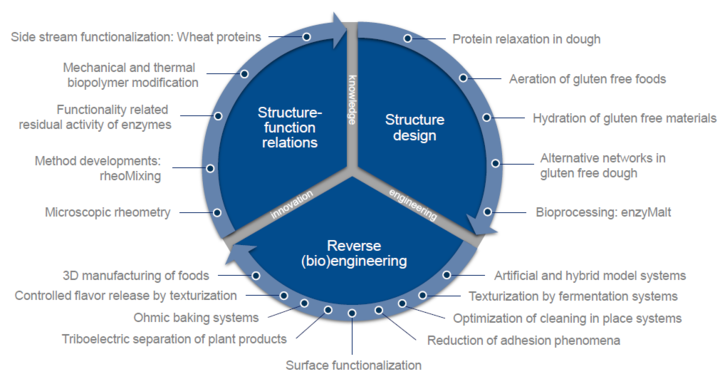
The activities of the Reserach Group Cereal Technology and Process Engineering are divided into the research fields structure-function relationships of biopolymers, structural design of cereal based food and reversed (bio-)engineering in terms of providing knowledge on fundamental mechanisms in cereal based materials. This is complemented by the research fields process engineering and food safety. By understanding the relationship between the composition of raw materials, intermediate and end products and the influence of the processing during baking, we can design and produce products based on fundamental knowledge. Through this procedure, we enable the development and optimization of innovative new processing technology (including innovative kneading systems and 3D printing of food) to design cereal-based products in a safe and resource-saving manner. The analysis of process-relevant material properties of raw materials is conducted by a variety of self-developed methods adapted to the given processes as well as selected standard analyses. Based on this, targeting defined material properties of traditional and new raw materials (including gluten-free, residual and alternative protein sources) is achieved by specific material modification to create familiar baked goods quality, as well as completely new texture impressions. You can find our comprehensive facilities with regard to the preparation and evaluation of raw materials, dough and baked goods on biophysic and microstructure laboratory, milling pilot plant and baking pilot plant.
Controlling the stability of gas bubbles in gluten free dough by plant-based surface-active fractions
Controlling the stability of gas bubbles in gluten free dough by plant-based surface-active fractions
Project start: 2022
From a technological point of view, gluten free doughs are classified as liquid foams which solidify during the baking process. The lack of stabilizing components still poses challenges for the production of gluten free baked goods. This lack is commonly compensated by the use of various (synthetic) additives. Lately, profound knowledge on the use of plant extracts for foam stabilization has been created. Therefore, this project aims to transfer this knowledge to the stabilization of gluten free doughs and baked goods. For this transfer, the contribution of surface-active and foam-stabilizing substances to the gas formation and gas holding capacity in gluten free doughs must be differentiated and the possibility of using plant extracts (albumins, globulins and saponins from pea, rapeseed, oat and quinoa) must be examined. After identification of suitable plant protein extracts and surface-active substances, these will be used in gluten free doughs to improve the crumb texture of gluten-free breads by function-oriented formulations.
Start: 2021
One important factor for the quality of baked goods is the content of protein in flour. However, it is not just the quantity of protein, but above all the quality that is decisive for the baking result. But this is difficult to define in terms of characteristics and is therefore mainly determined by its functionality. To adjust the quantity and quality of protein during the production of flour and to standardize it, the miller has the opportunity to mix charges with different composition. A shift of protein during the comminution process is limited. This boundaries restrict the offer of standardized or tailored flours with defined protein composition. The aim of this research project is to create an inline method to shift the protein content in flour during the milling process using triboelectric separation
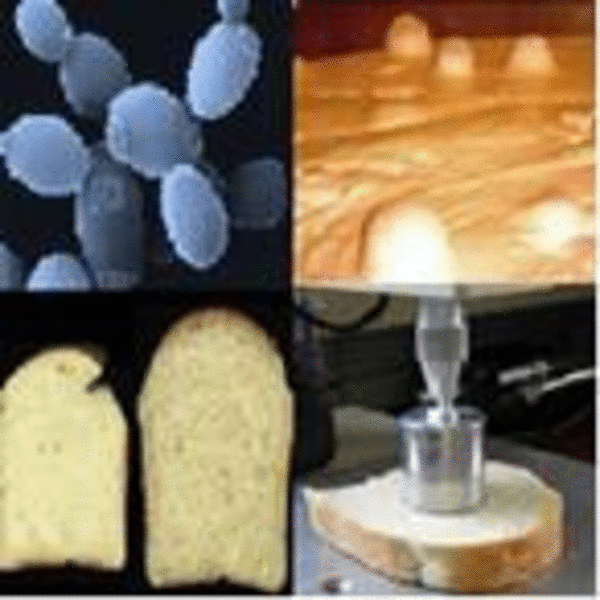
Baker’s yeast is a valuable dough ingredient, supplying precious texture and unique aroma components. CO2 and secondary metabolites are impacting dough extensibility and the formation of crust and crumb. The goal of the research project is to quantify the impact of fermentation parameters (temperature, time and yeast level) on the elongation behavior of dough, dough processibility and baked goods texture. Contact

The gluten network brings actors of cereal production and processing together to create innovative solutions for more efficiency and quality. Since its start in 2016 our Institute is partner of the research alliance, which already comprises 19 partners. Within the gluten network development and production processes are analyzed and assessed along the value chain. The objective in particular is to gain an even better understanding about cereal protein quality. The gluten network is promoted by the Federal Ministry for Economic Affairs and Energy. Homepage: http://gluten-netzwerk.de/. http://gluten-netzwerk.de/Contact
Dough imitation – development of a wheat dough imitating artificial dough system based on hydrocolloids and glass beads
The objective of this project is to specify the texture of gluten-free bread crumbs by controlling the aeration of the dough during the mixing step via a specific headspace atmosphere (over and under pressure). By elucidating the underlying mechanisms, the final product quality, especially bread volume and pore distribution, is supposed to be definable via pressure control during the mixing step. Contact
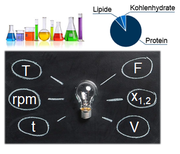
Gluten is the most important co-product, arising from the industrial production of wheat starch. The individual process steps and conditions (e.g. washout conditions, temperature control during drying and type of milling) have a decisive influence on the functionality of the vital gluten. Vital gluten is currently mainly used to improve the quality of baked goods or in meat alternatives. In this project, the effects manufacturing parameters on the chemical composition, the physical properties and the functionality of vital gluten is examined in particular. In order to expand the potential of using vital gluten in baked goods, the interaction of vital gluten with native wheat-based or rye-based protein networks on a molecular and microscopic level is evaluated. Further, the effect on dough production and baked goods is determined. On basis of the knowledge gained in this way, a targeted modification of the functionalities of vital gluten should be possible at production level. Contact
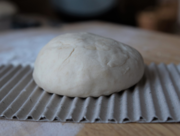
Adhering dough residues in bakeries lead to an intensive cleaning effort of the machines, connected with downtimes and a high material consumption. Even though some approaches exist to control the undesired dough adhesion, such as using auxiliary materials like powdered flour or to adapt the dough properties by its composition or process parameters, processing surfaces must still be cleaned or changed after some time. Recently, dough adhesion is also reduced by macroscopically structured surfaces, which enable a reduction of the real contact area (points of contact between dough and processing surface). Only at the real contact area, dough adhesion can be caused by molecular adhesive forces and therefore it is another control parameter. However, the relationship between the surface design and the effect on dough adhesion is still not known. Therefore, the aim of the research project is a time-resolved analysis of the real contact in order to clarify dependencies between macroscopically structured surfaces and dough adhesion with respect to dough properties.
enzyMalz – Function-oriented classification of enzymatically active baking malt for the use in wheat-based baking products
Supplementary baking ingredients are often used to improve the properties of dough processing and baked goods. An ingredient of this kind is baking malt, which is generally accepted among consumers as a natural, value-adding ingredient. Both enzymatically active and inactive baking malts and malt extracts are commercially implemented in baking industry. The resulting effects of enzymatically active malts in the doughs are based on the amylolytic, proteolytic, cytolytic and lipolytic enzyme activities. This research aims to elaborate an understanding of the influence on functionality of wheat-based enzymatically active malts on dough structure, handling and bread quality and a qualitative classification for baking malts in order to achieve a function-oriented use for wheat dough and baked goods. This goal is based on the hypothesis that the functionality of wheat doughs can be controlled by the endogenous enzymatic composition of malt. The quality classes should be able to display de-novo-built enzyme compositions and their function during the production of dough and baked goods. Based on the generated knowledge malting regimes/processes can be optimized towards a desired dough structure, handling and bread quality. Contact
Rheokneading – Develpoment of an in-situ procedure for the simultaneous assessment of the flour quality and dough processing properties
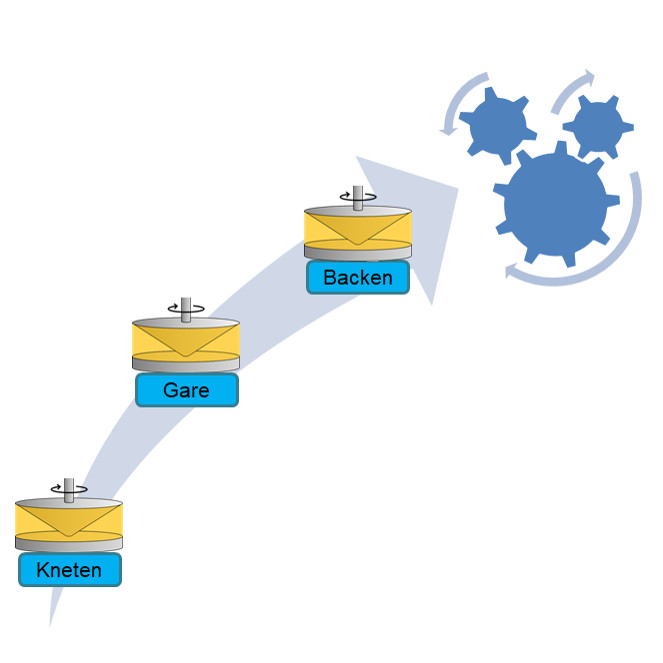
The goal of the research project is the development of an in-situ procedure, with which the kneading, proofing and thermo-induced phase transition during baking can be mimicked under practically relevant conditions, for the single-step determination of flour and dough processing properties at defined shear. This simultaneous dough production and –analysis enables a faster and more precise assessment of the flour quality and process-relevant characteristics. This, in turn, facilitates a complete process optimization and alteration, based on one single analysis system with minimal raw material input. Contact
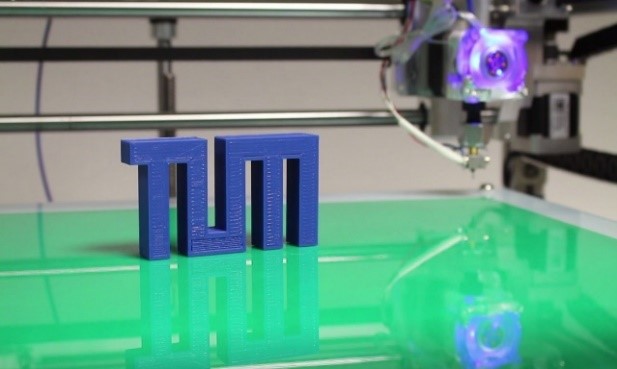
To print geometrical complex constructs, materials being liquefiable are needed and rapid solidification is essential to maintain the geometrical structure after the processing step. To date, the production of foods via 3D printing is mainly limited due to the small selection of natively printable food materials. The aim of this project is to develop a methodology to fundamentally characterize the printability of food materials and collect data as a basis for further product innovations. Contact
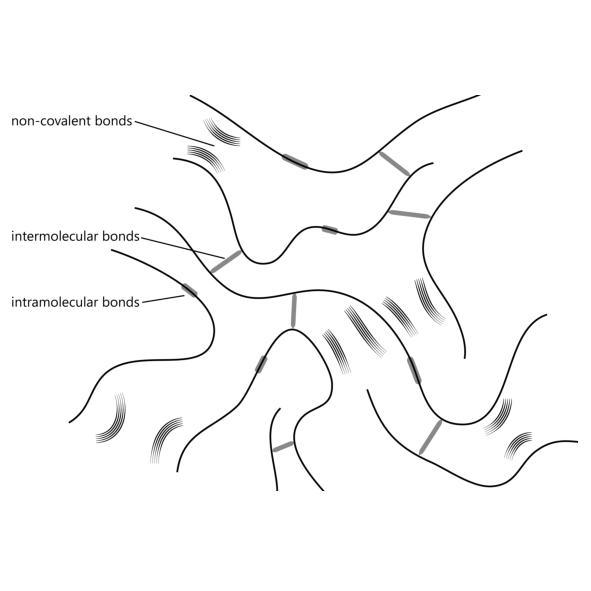
Vital gluten as a coupling product in the starch industry is available in large quantities. However, its application as a baking ingredient or as a single food system seitan is complicated due to its varying product qualities. Links between quantitative and qualitative composition and functionality will be examined in this project. In order to enable a knowledge-based and targeted use of vital gluten in the food industry an easily applicable method to predict functionalities of vital gluten samples shall be identified. Contact
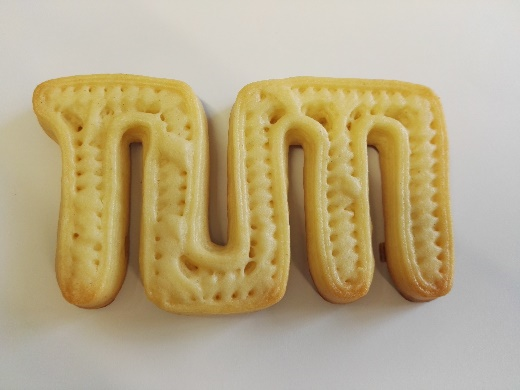
3D printing is already well established in many sectors as it makes it easier to manufacture complex products while increasing the flexibility to create complex structures. Traditional structuring or processing of grain-based foods such as bread is difficult to control. It is also not suitable for creating precise and reproducible textures. 3D printing enables the creation of defined textures and structures by means of additive manufacturing. In this project, 3D printing technology is used to study the influence of texture properties on aroma/flavour release and chemosensory perception over time. For this purpose a process for printing complex grain base matrices will be established. Contact
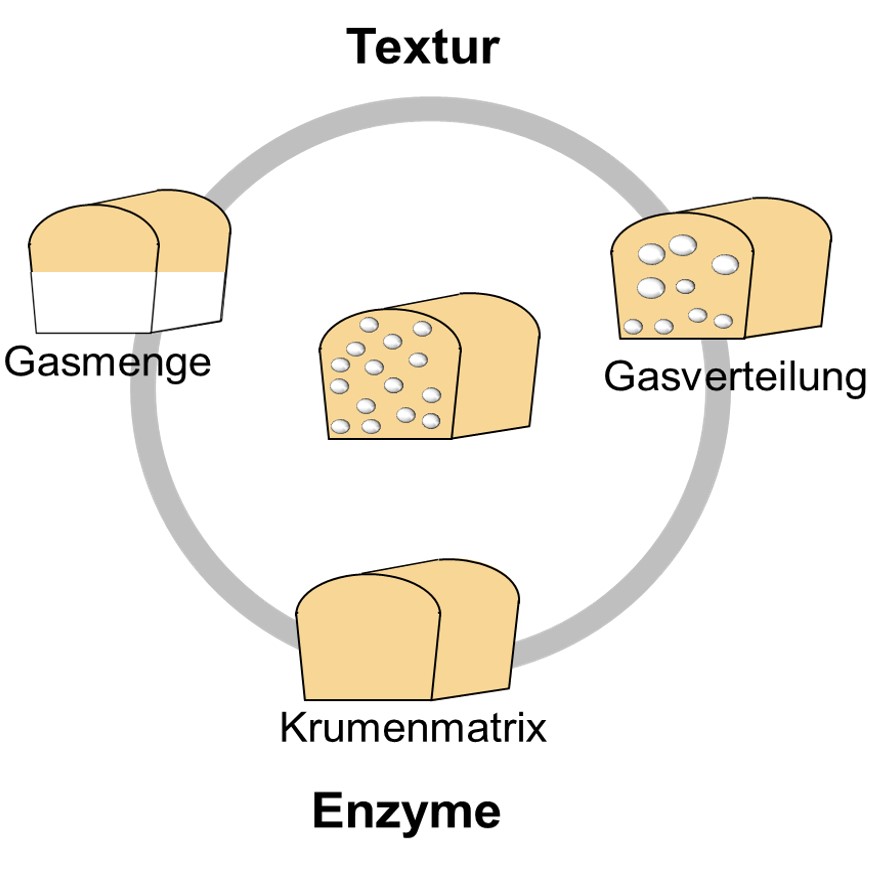
To extend the textural shelf life of bakery products, exogenous enzymes are added during the dough processing. Experiments on commercially available bakery products have shown an incomplete inactivation of exogenous enzymes during the baking process. It is questionable whether these residual activities have a technological effect in the end product leading to a declaration obligation. The aim of the project is therefore to develop methods for the detection of a technological effect of the enzymes in the final product, which are intended to understand the relationship between technological enzyme activity before and after heating as well as changes in the texture of the crumb during storage. Contact
Mechanical / electrical dough stimulation - Mechanical / electrical stimulation of wheat dough for optimizing dough resting times
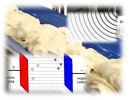
Gluten is the most important co-product, arising from the industrial production of wheat starch. The individual process steps and conditions (e.g. washout conditions, temperature control during drying and type of milling) have a decisive influence on the functionality of the vital gluten. Vital gluten is currently mainly used to improve the quality of baked goods or in meat alternatives. In this project, the effects manufacturing parameters on the chemical composition, the physical properties and the functionality of vital gluten is examined in particular. In order to expand the potential of using vital gluten in baked goods, the interaction of vital gluten with native wheat-based or rye-based protein networks on a molecular and microscopic level is evaluated. Further, the effect on dough production and baked goods is determined. On basis of the knowledge gained in this way, a targeted modification of the functionalities of vital gluten should be possible at production level. Contact

Functional foods can contribute to the prevention of diseases of civilisation such as obesity, cardiovascular diseases and type 2 diabetes mellitus. The network "Bioactive Plant Foods", funded by the "Central Innovation Programme for Medium-Sized Enterprises - ZIM", represents a technology and communication platform for the development of innovative product solutions. Contact
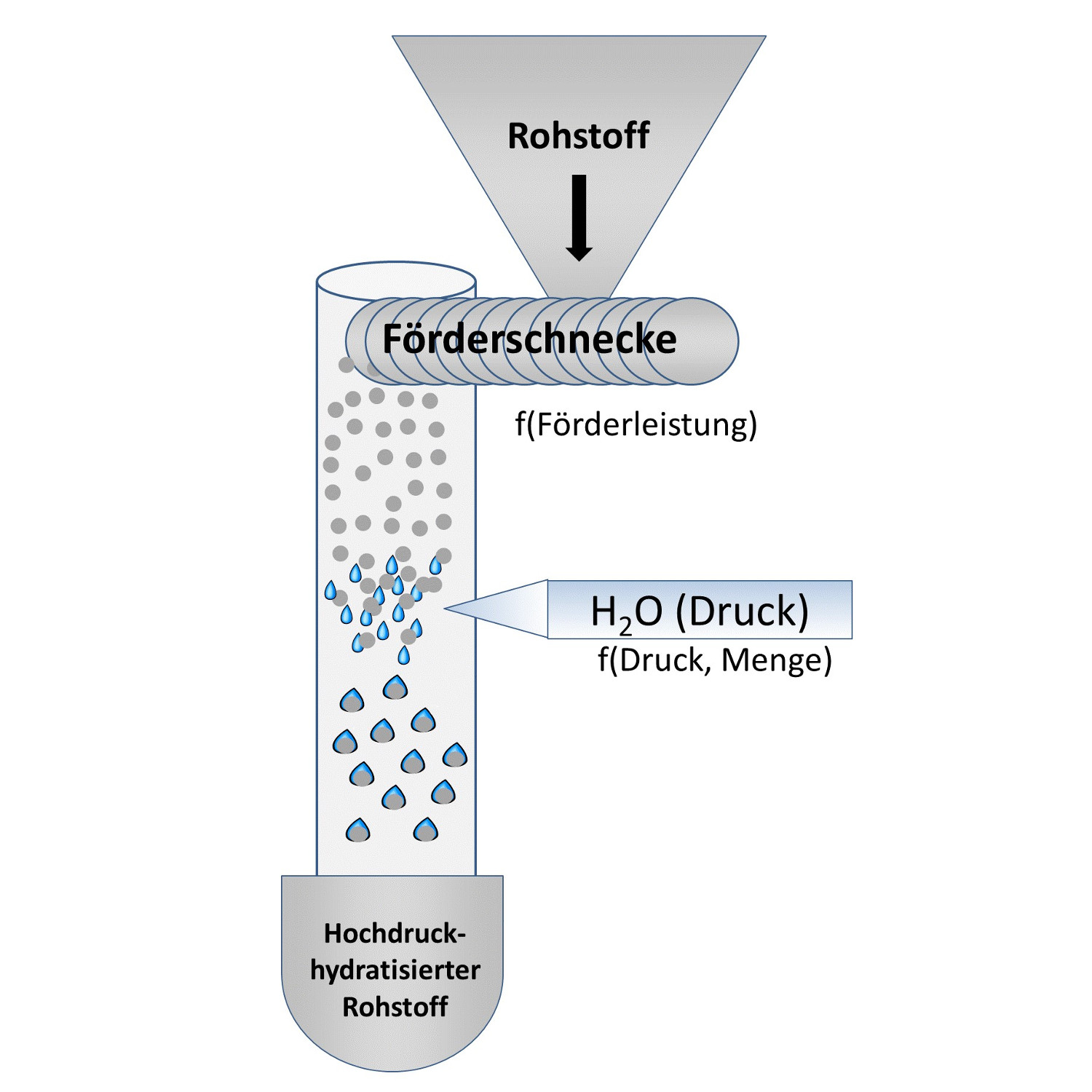
The goal of this research project is the clarification of the mechanisms concerning the hydration of gluten-free systems. Therefore, a technofunctional characterization of a dough system after the targeted hydration of flour and during a thermo-induced phase transition of the dough is performed. The targeted hydration is applied on the one hand by a prolonged hydration time by means of a sponge dough procedure and on the other hand by a forced hydration by means of a high-pressure procedure. With the aid of a fundamental elucidation of the hydration mechanisms, the targeted hydration of the raw materials can be optimized and the quality of the gluten-free breads improved. Contact
Structural and functional alterations of starch and proteins - control of the technological functionality of mechanically modified flours
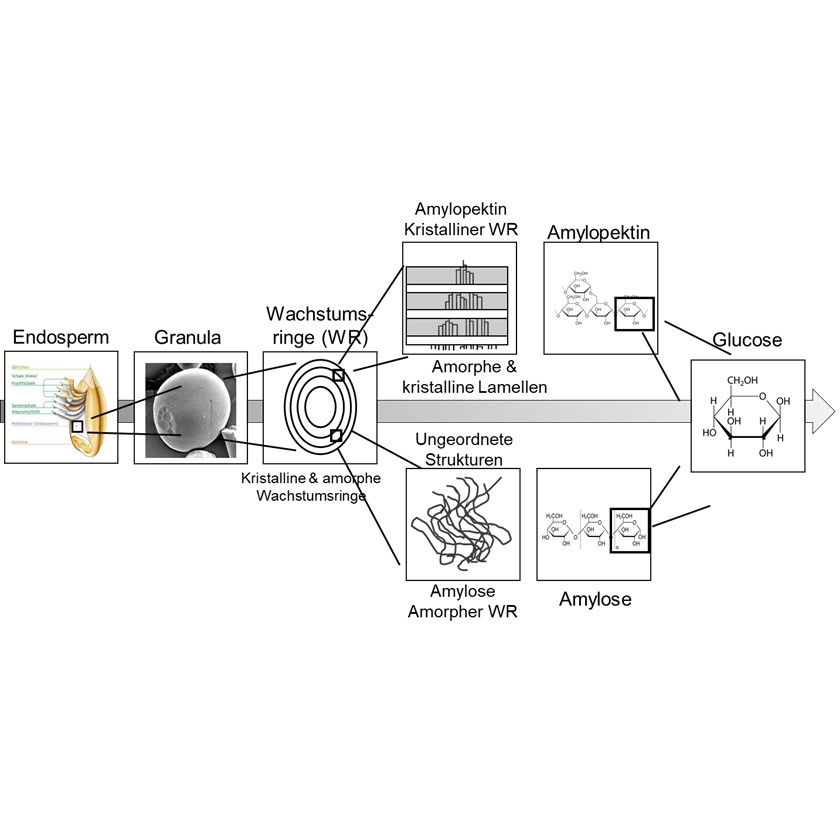
Milling of grains causes a modification of cereal biopolymers affecting the technological properties of flours. In this research project, the influence of the milling type on specifications of the protein fractions and starch structures are analyzed and the impact of structural changes on the dough processing and baking performance are elucidated. The aim is to produce functional flours with the desired, technological properties by using physical processes. Contact
CIP in the baking industry - Optimizing the cleaning of pumpable cereal doughs by cleaning-in-place (CIP) processes
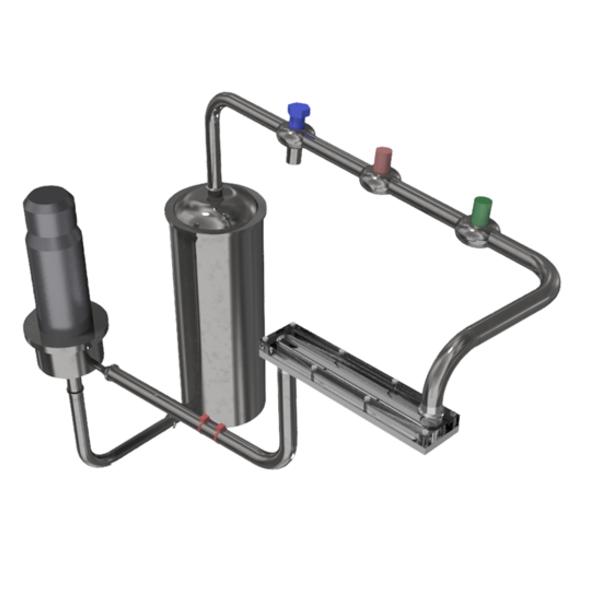
In the beverage industry, CIP-processes of pipes, vessels or plant parts with poor accessability are conducted due to its efficiency and hygienic standards. Little knowledge about the interaction between cereal based dough systems and cleaning fluids reduce the effectivity of CIP-cycles in the bakery industry. In this project, the interaction between flow velocities, temperatures and concentrations of different cleaning fluids and pumpable cereal dough matrices and dough components are examined in a pilot scaled test rig to increase the efficiancy of cleaning-cycles. Contact
Intelligent fermentation control - Automatic optimization of fermentation to the actual state of dough pieces using digital image analysis and experience-based fuzzy control

An essential requirement for high-quality products is the optimal development of the fermentation process. Due to too less specialized and qualified personnel the fermentation is controlled by a formalized program. These programs take no variations of the process parameters into consideration. Therefore the proofing of dough often preforms suboptimal and large amounts of rejects is produced. By using a camera-based optical measuring system with a fuzzy- based control system, differences in the fermentation will be detected and the process will be adapted to the actual state. The aim of this project is to ensure a given proofing state independent of raw material variation, processing quality and operating errors. Contact
Development of an extraction process for the concentration of functional ingredients from amaranth milling fractions
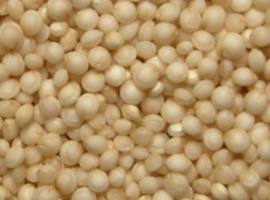
The fractionation of amaranth into flour and bran through passage grinding results in a preliminary concentration of functional ingredients according to their appearance in the respective grain components. In order to further accumulate bioactive substances, this projects aims at the development of a extraction process including a subsequent drying method. Contact